Rabbits
The Normans kept rabbits like other forms of livestock, as a source of food and fur. In most situations they would be encircled by walls or water, eventually this became common place across the UK with rabbit enclosures (or warrens) being introduced to each county, as well as many islands. Some rabbits inevitably escaped and soon became established in the wild as feral colonies, but even with the feral population growing, rabbits were kept as livestock in enclosures.
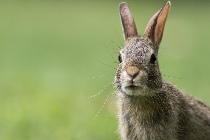
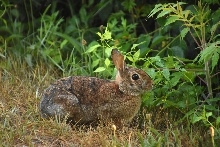
The European rabbit (Oryctolagus cuniculus) is a species of rabbit native to the Iberian Peninsula (Spain, Portugal and Andorra) and southwestern France. It is the only living species in Oryctolagus, a genus of lagomorphs. The average adult European rabbit is smaller than the European hare, though size and weight vary with habitat and diet. Due to the European rabbit's history of domestication, selective breeding, and introduction to non-
Myxomatosis entered Britain from France in 1953, and reached Ireland by 1954, prompting the Royal Society for the Protection of Birds to set up "mercy squads" meant to euthanize myxomatous rabbits. Major myxomatosis outbreaks still occur in Britain, peaking twice annually: in spring and especially in late summer or autumn, though immunity has reduced the mortality rate from 99% to 5–33%.
Wild rabbits can pose serious challenges when their populations grow unchecked. Known for their rapid reproduction rates, rabbits can quickly overpopulate an area, exacerbating the damage they cause. Effective rabbit management is essential to minimise the significant impact they can have on agriculture, ecosystems, property and public safety.
Unchecked rabbit populations can lead to:
Crop damage: Wild rabbits can cause significant damage to agricultural crops, which can lead to financial losses for agricultural and horticultural industries. They can eat and trample crops, reducing yields and quality.
Ecological damage: Wild rabbits can have a negative impact on the environment by overgrazing on vegetation, which can lead to soil erosion and changes in habitat structure. This can have knock-
Disease transmission: Wild rabbits can carry and transmit diseases, including myxomatosis and viral hemorrhagic disease which can affect other animals.
Property damage: Wild rabbits can burrow into gardens, parks, and other outdoor spaces, causing damage to lawns, flower beds, and other structures. They can burrow underneath structures and buildings which can lead to serious subsidence. The rabbit warren could also encourage other pests such as rats and foxes.
Road accidents: Wild rabbits are sometimes found near roads and highways, and their presence can increase the risk of collisions with vehicles as drivers often dodge to avoid hitting the rabbit.
In the UK, landowners are legally required to control wild rabbits on their land to prevent damage, as most of England and Wales are designated as "rabbit clearance areas" under the Pests Act 1954. If rabbits cannot be eliminated, occupiers must take steps to prevent them from causing damage, such as erecting rabbit-